
Pet diagnostics play a vital role in protecting your companion’s health. Diagnostic testing may be recommended during illness, before surgery, or as part of routine pet wellness exams. Our veterinarian uses diagnostic tools to gather clear, accurate information about your pet’s internal health.
What Are Full Pet Diagnostics?
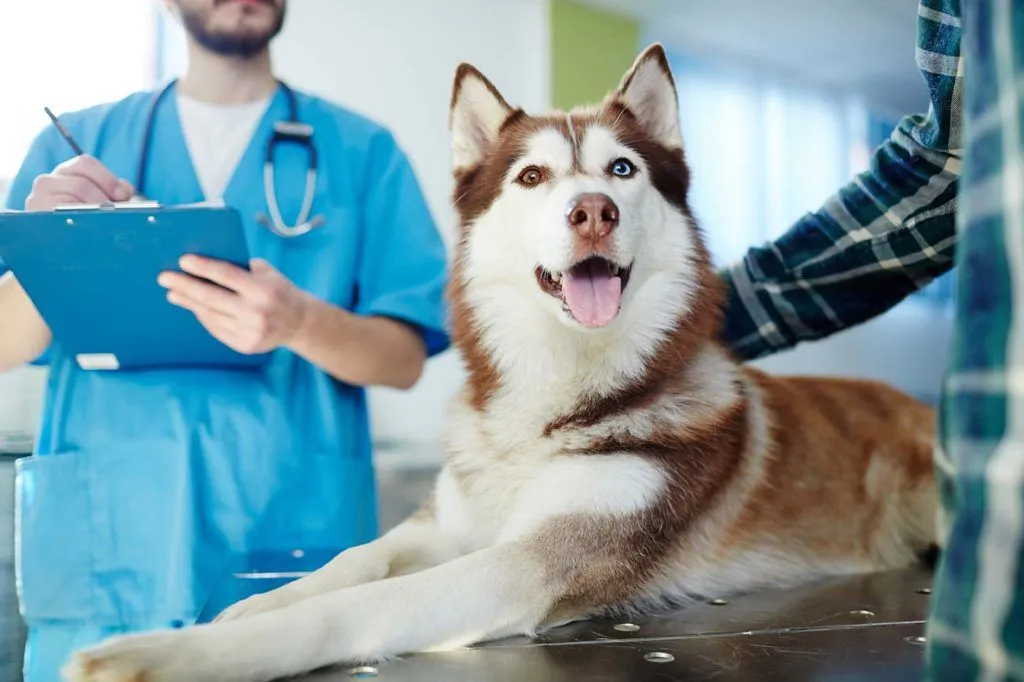
Full pet diagnostics refer to a combination of medical tests and evaluations that assess overall health. These may include physical examinations, laboratory testing, imaging, and ultrasounds. During pet exams, the veterinarian evaluates organ function, screens for infection, and checks for structural abnormalities. Diagnostic information is collected, reviewed, and interpreted so that informed medical decisions can be made.
Some pets need diagnostics when symptoms appear, such as vomiting, weight loss, or lethargy. Others receive testing during routine pet wellness exams to establish a baseline and monitor changes over time.
Why Are Diagnostics Important?
Diagnostic testing allows a veterinarian to look beyond visible signs. Blood work may reveal early kidney disease, and imaging may detect masses that cannot be felt during a physical exam. When conditions are identified early, treatment can begin sooner, and complications may be reduced. Diagnostics are also used to monitor chronic conditions. If your pet has diabetes, thyroid disease, or heart disease, follow up testing is often required.
What Tests Are Commonly Performed?
Pet Wellness Exams and Lab Work
During pet wellness exams, a complete physical evaluation is performed. Our veterinarian checks the heart, lungs, abdomen, eyes, ears, skin, and joints. Blood tests and urinalysis are frequently recommended. These tests measure red and white blood cells, evaluate liver and kidney function, and screen for infection or inflammation.
Imaging and X-Rays
X-rays are used to examine bones, joints, and internal organs. They help diagnose fractures, arthritis, intestinal blockages, and certain tumors.
Ultrasounds and Pet Ultrasounds
Ultrasounds use sound waves to create real time images of organs. Pet ultrasounds are especially helpful for evaluating the liver, spleen, kidneys, bladder, and heart. The procedure is noninvasive, and most pets tolerate it well. Hair may be clipped, gel is applied, and a small probe is moved across the skin.
How Should You Prepare?
You may be asked to withhold food for several hours before testing. Fasting improves the accuracy of certain blood tests and ultrasounds. Bring a list of medications and describe any changes in appetite, behavior, or energy level.
What Happens After Testing?
Results are reviewed and discussed with you in detail. Some findings are normal, which offers reassurance. If abnormalities are detected, treatment options will be explained. Full pet diagnostics support preventive care and early intervention. To learn more or schedule an appointment, call our office at (903) 882-7387. By working with a trusted veterinarian near you in Whitehouse, TX, you ensure that your pet receives thorough evaluations, accurate answers, and compassionate care.