
Pet Vaccines FAQs
Pet vaccines protect dogs and cats from serious infectious diseases. Our vet can explain how vaccines stimulate the immune system, which helps the body recognize and fight harmful viruses or bacteria. Pet vaccines are considered a core part of preventive care, and they are commonly given during routine wellness visits.
Why Are Pet Vaccines Important?
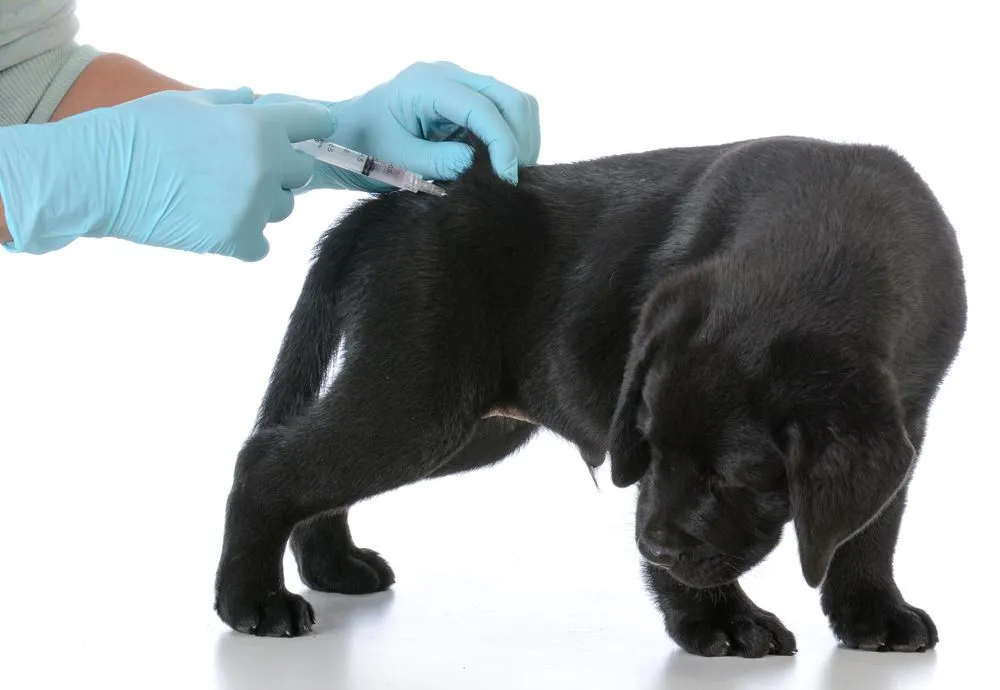
Pet vaccines help prevent life threatening illnesses such as rabies, parvovirus, and distemper in dogs, and panleukopenia in cats. When a veterinarian administers a vaccine, a small and safe portion of the disease agent, or a modified version of it, is introduced into the body. The immune system responds by producing antibodies. If your pet is later exposed to the actual disease, the immune system can react quickly and effectively.
What Are Core and Non-Core Vaccines?
Core vaccines are recommended for most pets, regardless of lifestyle. For dogs, core dog vaccinations include rabies, distemper, adenovirus, and parvovirus. For cats, core cat vaccinations include rabies and the FVRCP combination vaccine, which protects against feline viral rhinotracheitis, calicivirus, and panleukopenia.
Non-core vaccines are recommended based on risk factors such as environment, travel, and exposure to other animals. Your veterinarian will assess your pet’s lifestyle before suggesting additional protection, such as Bordetella for dogs that visit grooming facilities or feline leukemia vaccination for outdoor cats.
When Should Puppies and Kittens Be Vaccinated?
Puppies and kittens begin a vaccine series at a young age. Dog vaccinations often start at six to eight weeks of age, and boosters are given every few weeks until the series is complete. Kittens follow a similar schedule for cat vaccinations. These early doses are critical, since maternal antibodies decline over time and leave young pets vulnerable. Your vet will recommend a schedule based on current medical guidelines and your pet’s health status.
Are Vaccines Safe?
Pet vaccines are extensively tested for safety and effectiveness. Mild reactions, such as temporary soreness at the injection site or slight fatigue, can occur. Serious reactions are rare, and your veterinarian near you will review your pet’s medical history to reduce risks. Monitoring after vaccination is advised, and any unusual symptoms should be reported promptly.
Where Can You Find Pet Vaccines Near You?
If you are searching for pet vaccines near you in Whitehouse, TX, Lynn Foster DVM offers preventive care, including dog vaccinations near you and cat vaccinations, to support the long term health of your pet. To learn more or schedule an appointment, call our office at (903) 882-7387. By partnering with an experienced veterinarian near you, you ensure that your pet receives safe, timely, and effective protection throughout every stage of life.